

 The AI Engineer Path
Using AI well
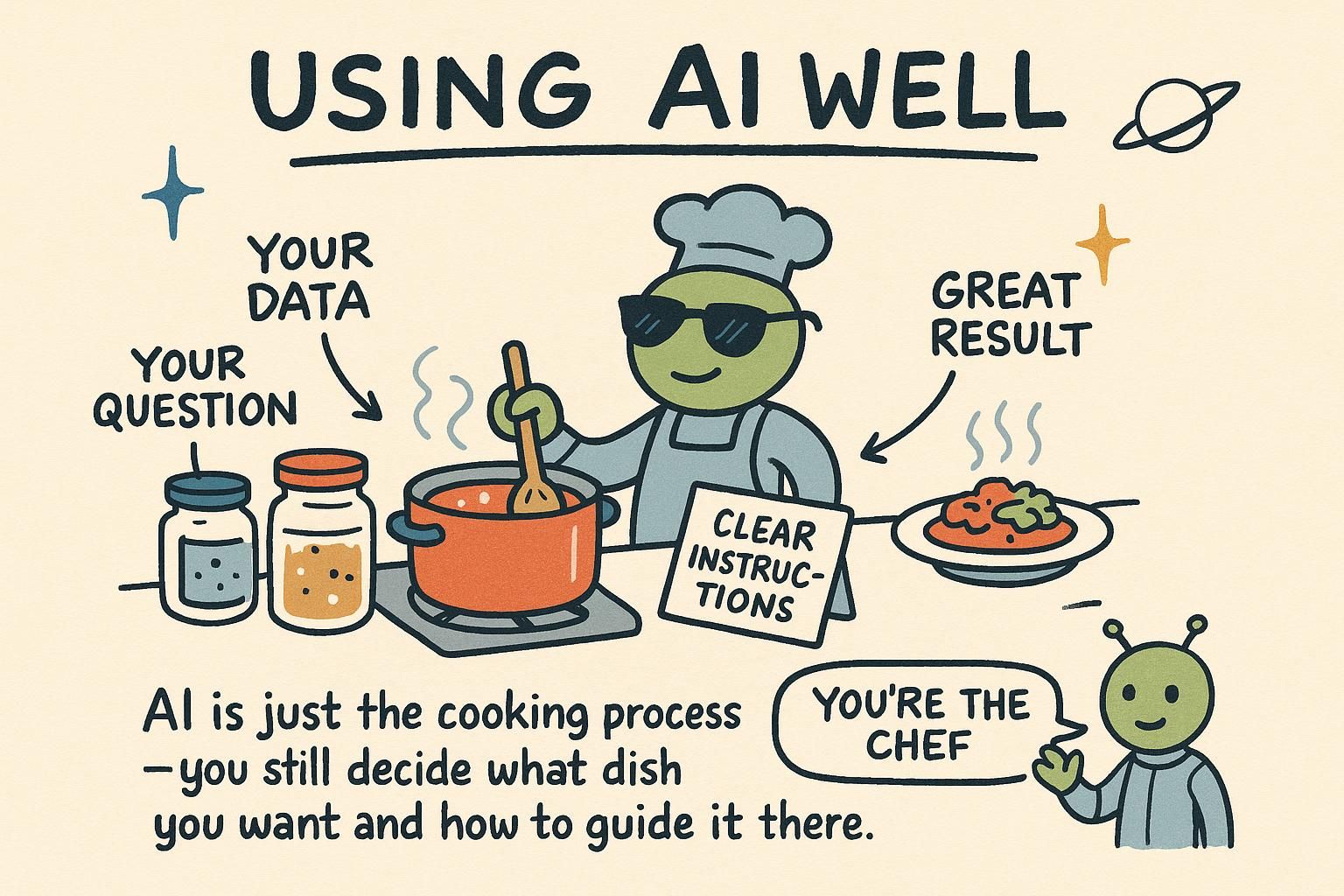
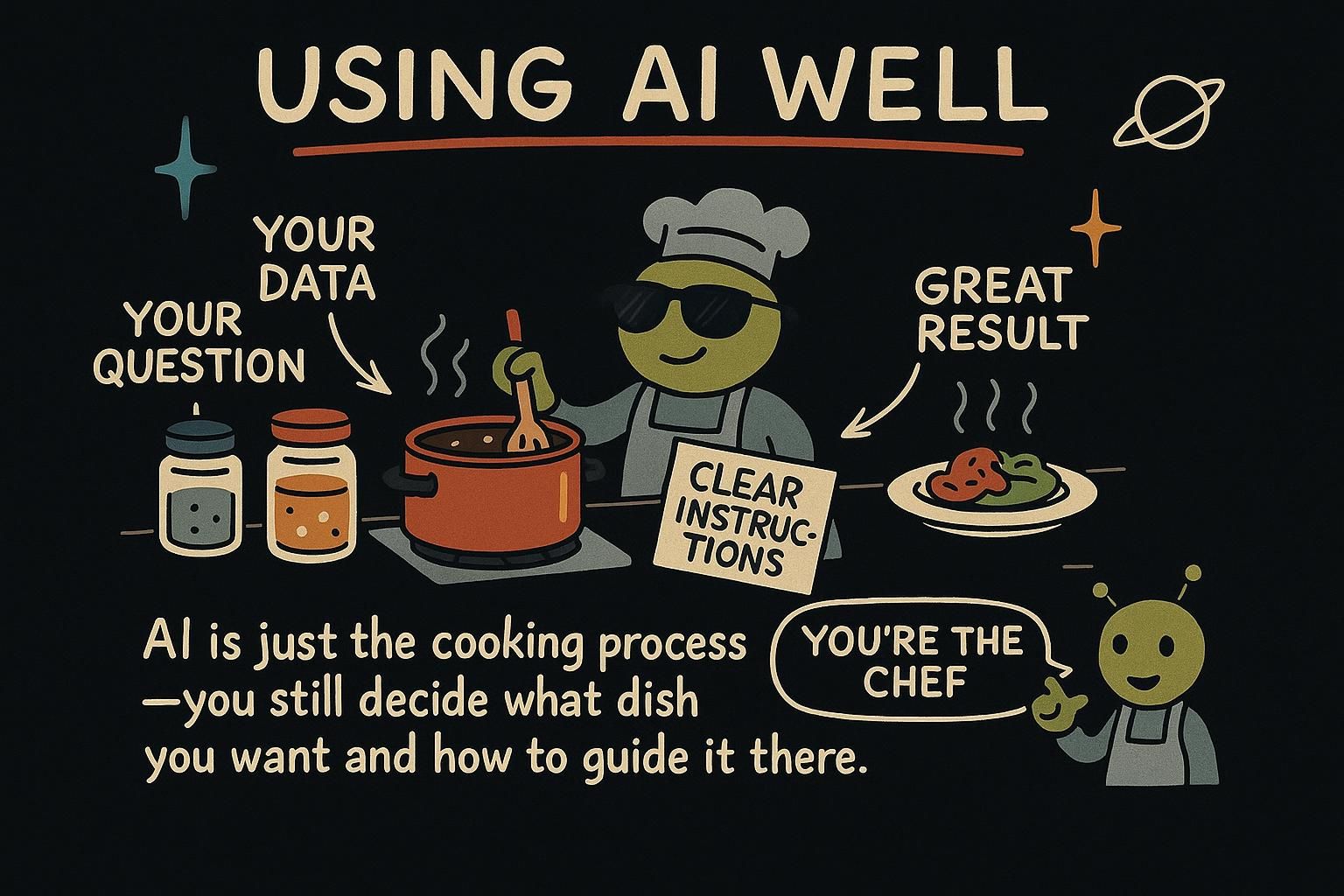
Every few years the industry finds a new thing to lose its head over. Right now it is AI. You have probably seen both versions of the panic: the people convinced it changes everything and you are finished if you are not all in by Friday, and the people convinced it is a con about to collapse any minute. Both are loud. Both are mostly wrong.
The truth is quieter and more useful. AI is a capable tool with real, specific failure modes. Not a savior, not a threat, a tool. The question worth your time is not whether to side with the hype or the doom. It is how to use this thing well: where it earns a place in your work, where it does not, and how to keep your own judgement while the rest of the field is busy losing theirs.
That is what this chapter is about. The rest of the handbook teaches you how the machine works; this one is about how to hold it.
Where it actually helps you
Set the noise aside and the practical case is strong. A model is very good at the work that used to eat your afternoon: drafting a first version, explaining an unfamiliar codebase, turning messy text into structured data, writing the boilerplate test, summarising a long thread, getting you unstuck on a syntax you half remember. None of it is glamorous. All of it is real time back.
What that buys a tech professional is leverage. The floor on routine work rises, so you spend less of your day on the parts that were never the interesting bit and more on the parts that are: the design, the judgement calls, the things only you can see because you understand the whole system. Used like this, AI is not replacing the work. It is clearing the underbrush so you can get to it.
The catch is that it pays off only if you can tell good output from bad. A model will hand you a confident wrong answer as readily as a right one, and it is the way these models work that makes that unavoidable. The professional who benefits is the one who can read what it produced, catch the mistake, and keep moving. The one who cannot is shipping someone else's guesses with their own name on them.

What it can't replace
Here is the part the hype skips. Everyone is building with AI now, and that has not removed the need for humans who actually understand things. If anything it raises it.
A model has no stake in your project, no memory of why the system is shaped the way it is, and no sense of what matters to the people who use it. It reaches for a plausible next word, not the right call. So the things that stay yours are the things that were always the hard part: deciding what to build, knowing which trade-off is worth making, noticing that the convincing answer is wrong for this context, holding the whole system in your head. Strategy, taste, and understanding do not come in the box.
This is why "understand the machine" runs through the whole handbook. The more you direct a tool you do not understand, the more you are guessing. The engineer who knows how the model behaves points it where it is strong and keeps it away from where it is weak. The one who treats it as an oracle gets whatever the oracle felt like saying. Stay in the loop, at the level where the real decisions are made.
Using it ethically
Effective and ethical are not separate goals here. They are the same habit seen from two sides.
Start with the rule that covers most of it: you own what you ship. If a model wrote it, you still read it, understood it, and stand behind it, the same as code from any teammate. Passing off output you have not checked, as if it were finished and yours, is how a confident wrong answer ends up in production with your name on it. Verify before you ship, every time it matters.
The rest follows from treating people as people. Be careful what you feed it: customer data, secrets, and anything private do not belong in a prompt you do not control. Be upfront about where the work came from when it counts. And resist the greedy version of this, the urge to cut every corner, flood every channel, or trade careful work for sheer volume. The tool is a multiplier, and a multiplier makes carelessness bigger too. Keep your principles and you keep the part of the job that was worth doing.
Keep your head
The field moves in waves, and it has done this before. Its history is a run of booms and winters, each one as certain at the time as this one feels now, each followed by a correction when the promises outran the results. That pattern is the best reason to stay level-headed: the loudest claim is rarely the one that lasts.
So treat the hype as weather, not gospel. The model that tops the rankings this month will be replaced, the demo that looks like magic usually has a narrow happy path, and "this changes everything" has been said about most things that did not. What does not get replaced is your understanding of how these systems work, the same way the ideas from each era outlived the products built on them. Keep learning the durable layer, keep your judgement switched on, and use the tool for what it is good at. That is the whole move: all of the leverage, none of the noise.
That is the stance this handbook is written in: AI is a capable tool, you are the professional holding it, and the edge goes to the people who understand what they are working with. With that in mind, the next chapter opens the machine itself. How LLMs work is where the rest begins.